
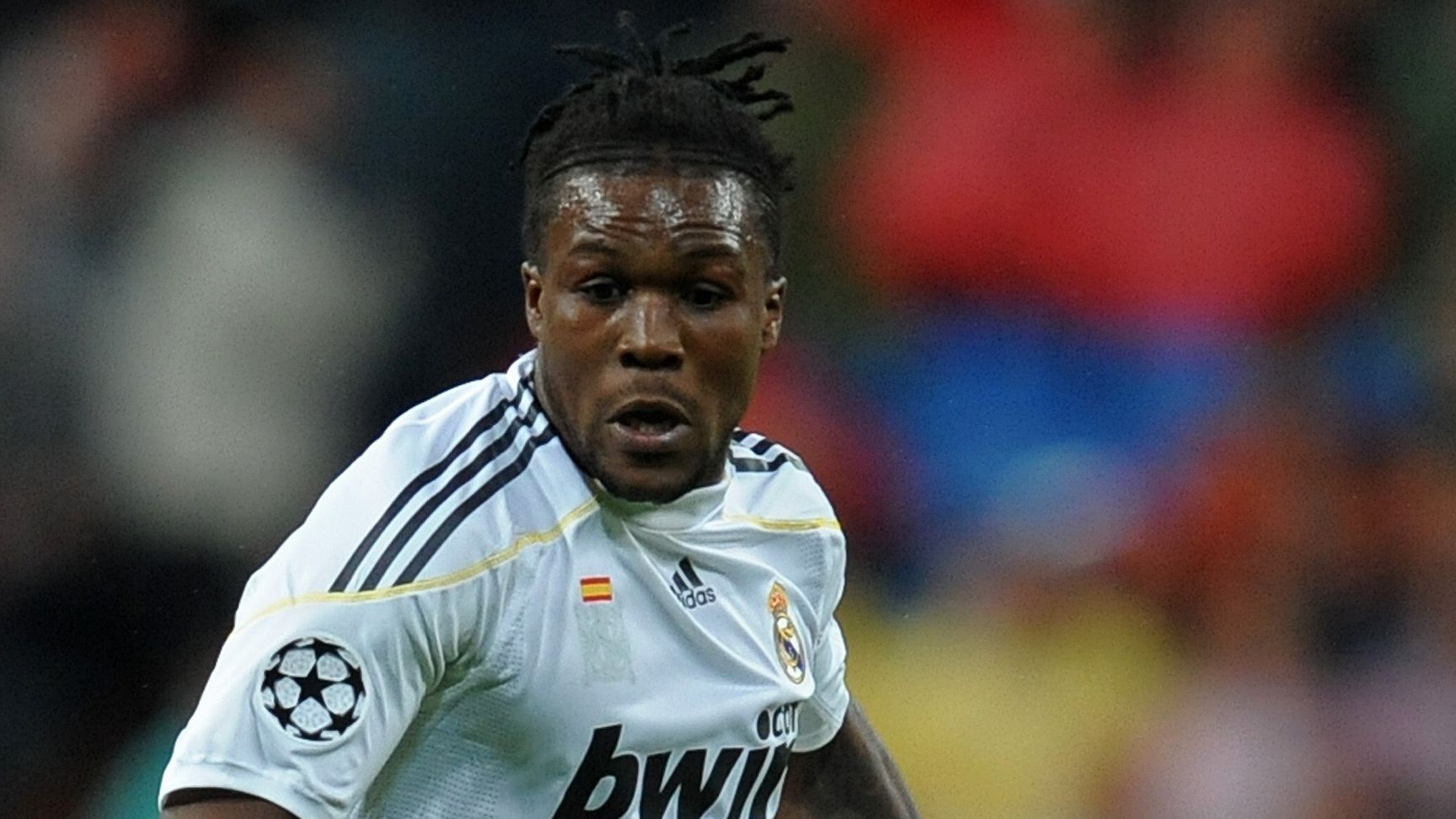
Royston Drenthe’s Inspiring Fight Back from Stroke Setbacks
In the world of football, resilience often defines true legends, and Royston Drenthe‘s story exemplifies this unyielding spirit as he tackles his recovery from a stroke with remarkable determination and focus.


Drenthe’s Relentless Pursuit of Recovery
According to insights from Tjarda Zeggelink, associated with FC de Rebellen, the former winger is stretching his capabilities to the maximum in his quest for complete health and vigor. Reports indicate he is channeling every moment into gradually enhancing his physical balance and resilience post-event, with his team noting steady advancements. Yet, experts caution that the ex-Real Madrid standout must prioritize endurance for sustained health benefits in the long run.
Key Elements of His Rehabilitation Approach
Zeggelink views Drenthe’s unwavering resolve as the cornerstone of his healing journey. “He’s pouring in extraordinary effort daily, demonstrating constant progress,” Zeggelink shared. “The drive he once brought to matches, he now applies to his daily routines-pure grit without any distractions. Royston continually surprises us, and we’re optimistic about his full restoration.”
During a discussion with BBC Sport, Zeggelink elaborated: “Royston is navigating a critical stage in his healing efforts, approaching it with unmatched focus and resolve, mirroring the dedication he’s always shown.”
“At this point, it’s premature to outline exact milestones, but we’re encouraged by Royston’s strategies for improvement. His upbeat demeanor and expert approach are vital to the ongoing advancements, and we’ll keep a close eye on his evolution, trusting in a positive outcome.”
Opportunities for Football Enthusiasts
Seeking more intelligent ways to engage with the game? Discover professional analyses, evidence-based forecasts, and valuable strategies via BALLGM Tips on Telegram. Become part of our expanding network today!
Exploring Drenthe’s Dynamic Football Legacy
Drenthe’s football path began with a bang at Feyenoord in 2005, leading to a prestigious transfer to Real Madrid in 2007. Seen as a promising global prospect, he entered Spain amid high hopes, though he faced difficulties in meeting those standards. Over his five-year stint in Madrid, he featured in 65 games and experienced temporary moves to teams like Hercules and Everton. Following his departure from Spain, his career spanned clubs such as Reading, Sheffield Wednesday, and outfits in Russia and the Netherlands. Drenthe stepped away from the sport in 2016, only to return with Sparta Rotterdam in 2018, with later stints at Kozakken Boys and Racing Murcia before his final exit in November 2023.
Overcoming Career Distractions
Amid the buzz of his Real Madrid transition, Drenthe has candidly discussed the diversions that hindered his growth. He reflected: “Offers came from Barcelona and Chelsea, but they advised waiting a year at Feyenoord. I opted for Madrid immediately. Teaming up with icons like Cristiano Ronaldo, David Beckham, and Zinedine Zidane was a dream. Back in the Netherlands, my Madrid association alone made me a star. Yet in Madrid, life extended beyond the pitch-I embraced the excitement, including social outings. As a young player, I didn’t grasp how those choices could derail my future. At 25, the consequences at 30 weren’t clear. My first goal was euphoric; I felt invincible.”
He also touched on Madrid’s lively atmosphere, noting that celebrations followed wins or losses alike.
A New Chapter Beyond the Game
Away from the thrill of competitive arenas, Drenthe is now confronting a personal challenge, and his inner circle remains convinced that his fighting spirit will lead to an extraordinary turnaround.
Who is Royston Drenthe?
Royston Drenthe, a former professional footballer known for his dynamic playing style, has left an indelible mark on the sport. Born in 1987 in Rotterdam, Netherlands, Drenthe rose to prominence as a winger with incredible speed and skill. He began his career at Feyenoord before making a high-profile move to Real Madrid in 2007, where he played alongside some of the biggest names in football. His time at Real Madrid included appearances in La Liga and the UEFA Champions League, showcasing his talent on the global stage.
After his stint in Spain, Drenthe joined Everton in the English Premier League in 2011, where fans appreciated his flair and contributions on the pitch. Over the years, he also played for clubs like Reading and various teams in the Dutch league, building a reputation as a versatile and exciting player. For those following football history, Drenthe’s career highlights the highs and challenges of professional sports, including the physical demands that can impact long-term health.
The Incident: Royston Drenthe’s Stroke
In recent reports, Royston Drenthe, the former Everton and Real Madrid footballer, has been undergoing intensive treatment after suffering a stroke. This health setback has shocked fans and the sports community, highlighting the unexpected risks that athletes face even after retiring from the game. Strokes in athletes like Drenthe can stem from factors such as high blood pressure, stress from intense training, or underlying conditions that may have developed over time.
Understanding stroke symptoms is crucial for early intervention. Common signs include sudden numbness on one side of the body, difficulty speaking, or vision problems. In Drenthe’s case, sources indicate that he experienced these symptoms abruptly, leading to immediate medical attention. This incident underscores the importance of regular health check-ups for former athletes, as the physical toll of a career in football can increase stroke risk factors.
- Key risk factors for strokes in athletes:
- Prolonged exposure to high-intensity physical activity
- Potential buildup of arterial plaque from years of strain
- Genetic predispositions or lifestyle factors like diet and stress
Intensive Treatment and Recovery Process
Royston Drenthe’s recovery journey involves a comprehensive treatment plan tailored to his needs as a former athlete. Intensive therapy often includes a combination of physical rehabilitation, medication, and lifestyle adjustments to restore function and prevent future incidents. Medical experts typically recommend a multidisciplinary approach, involving neurologists, physiotherapists, and occupational therapists.
For stroke recovery, Drenthe might be engaging in specialized therapies such as:
- Physical therapy sessions: Focused on rebuilding strength and coordination, which are essential for someone with Drenthe’s athletic background. Exercises could include balance training and cardiovascular workouts to aid mobility.
- Speech and cognitive therapy: If the stroke affected communication or cognitive functions, therapists work on language skills and mental sharpness to help patients like Drenthe regain independence.
- Medication management: Anticoagulants or blood pressure medications are commonly prescribed to manage underlying causes and reduce the risk of another stroke.
H3: Timeline of Recovery
Recovery from a stroke can be a lengthy process, often spanning months or years. In Drenthe’s case, early reports suggest he’s in the acute phase, where intensive inpatient treatment is prioritized. This might involve hospital-based rehab followed by outpatient programs. According to health guidelines, patients should aim for at least three to five therapy sessions per week initially, gradually transitioning to home-based exercises.
H4: Role of Nutrition and Mental Health
Nutrition plays a pivotal role in stroke recovery for athletes. Drenthe, with his history of high-performance sports, could benefit from a diet rich in anti-inflammatory foods like omega-3 fatty acids, fruits, and vegetables to support brain health. Equally important is addressing mental health; therapy sessions might include counseling to cope with the emotional impact of such an event, ensuring a holistic approach.
Importance of Stroke Awareness in Athletes
Stroke awareness extends beyond individual cases like Royston Drenthe’s; it’s a critical topic for the entire sports community. Former footballers, particularly those from high-pressure leagues like the Premier League or La Liga, face elevated risks due to cumulative physical stress. Educating athletes on preventive measures can make a real difference.
- Preventive strategies for athletes:
- Regular cardiovascular screenings to monitor heart health
- Incorporating rest and recovery into training routines
- Maintaining a balanced diet and hydration to reduce inflammation
H3: Lessons from Drenthe’s Experience
Drenthe’s situation serves as a reminder for fans and fellow athletes to prioritize health monitoring. Organizations like football associations often provide resources for retired players, including access to specialized clinics. By sharing stories like this, we encourage proactive steps, such as learning CPR or recognizing early warning signs, which could save lives.
H4: Community Support and Resources
The football world has rallied around Drenthe, with messages of support from former teammates and clubs. Resources like the World Stroke Organization offer guidelines for recovery, emphasizing the need for ongoing support networks. For readers interested in stroke recovery for athletes, exploring online communities or health apps can provide additional tools.
Support and Community Response
The response to Royston Drenthe’s stroke has been overwhelmingly positive, with the football community stepping up to offer assistance. Social media has been flooded with well-wishes from fans, former colleagues, and even rival players, highlighting the camaraderie in sports. This kind of support can be invaluable for recovery, providing emotional boosts alongside medical treatment.
H3: How Fans Can Get Involved
If you’re a fan of Drenthe or simply passionate about athlete health, there are ways to contribute. Many charities focused on stroke recovery, such as those linked to sports foundations, accept donations or volunteer opportunities. Engaging in awareness campaigns can help spread the word about stroke prevention in the athletic world.
H4: Long-Term Impact on Drenthe’s Life
Looking ahead, Drenthe’s recovery could inspire others in similar situations. With proper treatment, many stroke survivors return to active lives, and ongoing therapy might allow him to pursue coaching or other passions. This resilience is a testament to the human spirit, especially in the context of a former Everton and Real Madrid star’s journey.